Writing Latin Music for Film, TV, and Commercials: What Songwriters Need to Know

Author: Daniel Indart
For years, many songwriters believed that Latin music for sync meant only mariachi, salsa, flamenco, or reggaeton.
Today, that is no longer true.
Latin music has become one of the most powerful emotional and cultural tools in film, television, and advertising. Supervisors and brands are looking for music that feels authentic, current, emotional, and deeply connected to real culture. Sometimes that means a big urban Latin anthem. Other times it means a subtle nylon-string guitar cue, a nostalgic bolero-inspired vocal, a tribal percussion groove, or an indie pop song with bilingual lyrics.
The opportunity is enormous—but writing for sync is different from writing only for streaming, radio, or live performance.
A great song for Spotify is not always a great song for picture.
Start with Emotion, Not Genre
One of the biggest mistakes songwriters make is starting with style instead of emotion.
When supervisors search for music, they are usually not asking for “a reggaeton song” or “a Latin pop song.” They are asking for a feeling.
They may want:
· Celebration
· Seduction
· Nostalgia
· Tension
· Family warmth
· Street energy
· Romance
· Pride
· Hope
· Chaos
· Swagger
· Melancholy
The genre is secondary.
A cue that works in a car commercial may need confidence, movement, and attitude. A cue for a family-oriented film may need warmth and connection. A crime drama may need darker textures, sparse percussion, and tension.
The first question every songwriter should ask is:
“What emotion does this song create when someone hears it under picture?”
Think Like an Editor
Editors need music that is easy to cut.
That means your songs should have:
· Clear intros
· Strong edit points
· Distinct sections
· Builds and drops
· Clean endings
· Instrumental breaks
· Button endings or sting endings
Long intros, endless verses, or songs that never change energy can be difficult to use.
If your song has an obvious moment where an editor can cut from verse to chorus, extend a groove, or remove a section without ruining the song, it becomes much more valuable.
Many successful sync writers create songs almost like puzzle pieces.
They think:
· Where can this be shortened?
· Where can it build?
· Where could dialogue sit?
· Where could a logo hit happen?
· Where could a dramatic scene cut to silence?
A song that gives editors flexibility has a better chance of getting licensed.
Lyrics Matter More Than Most Songwriters Think
Lyrics can make or break a sync placement.
Many otherwise strong songs are rejected because the lyrics are too specific, too negative, too distracting, or too hard to clear.
For sync, it is often better to write lyrics that are emotionally universal.
Instead of highly detailed personal stories, think in broader themes:
· Freedom
· Belonging
· Strength
· Adventure
· Love
· Reinvention
· Celebration
· Overcoming obstacles
For Latin music specifically, language matters enormously.
In most cases, if a production is looking for Latin authenticity, the core lyric will need to be in Spanish—or in some cases Brazilian Portuguese.
English-only songs with a Latin groove often do not feel culturally specific enough for many supervisors, brands, or filmmakers.
Bilingual lyrics can work very well, especially when a hook, chorus, or a few strategic phrases in English make the song more accessible to a wider audience. However, the emotional heart of the song usually still needs to live primarily in Spanish or Portuguese.
Supervisors are often looking for music that immediately communicates a real sense of place, identity, and culture. Language is one of the fastest ways to create that connection.
At the same time, clarity is important. If the lyric is too dense, too literary, or too difficult to understand emotionally, the song may lose impact.
The strongest sync songs usually communicate their message quickly and clearly, even when the listener does not understand every single word.
Authenticity Wins
One reason Latin music is increasingly valuable in sync is because audiences can instantly feel when something is authentic—and when it is not.
Brands and supervisors are becoming more careful about using music that truly reflects culture, language, instrumentation, rhythm, and identity.
This does not necessarily mean every song needs traditional instruments or obvious Latin references.
It means the music should feel believable.
A bilingual indie pop song with a real emotional vocal may feel more authentic than a track overloaded with stereotypical percussion loops.
A modern urban Latin cue may feel stronger if it reflects the energy of real neighborhoods, real people, and real experiences.
The more specific and honest the emotional core is, the more universal the music often becomes.
Production Matters
In sync, production quality is everything.
A great song with weak production may never get considered.
Your mixes need to sound competitive, current, and professional.
That includes:
· Strong drums and low end
· Clear vocals
· Balanced frequencies
· Clean edits
· No unwanted noise
· High-quality mastering
For Latin music specifically, authentic production details matter.
Supervisors can often tell immediately when a track is using generic loop-based percussion, fake-sounding acoustic instruments, or overly stereotypical “Latin” elements.
Real musicianship, convincing grooves, proper pocket, and culturally believable instrumentation often make the difference between a track feeling authentic or disposable.
Another important factor is avoiding overcrowded arrangements.
Dialogue is king in film, television, and advertising. If the vocal, percussion, horns, guitars, synths, and effects are all fighting for attention, the track becomes difficult to use.
The best sync tracks leave room for dialogue, voice-over, and picture.
You should also create alternate versions whenever possible:
· Instrumentals
· No lead vocal versions
· No melody versions
· Short edits
· 60-second versions
· 30-second versions
· Stems
Supervisors and editors love flexibility.
The more usable versions you provide, the easier it is for someone to say yes.
The Songs That Get Licensed Are Usually the Ones That Solve Problems
The best sync writers understand that they are not only creating art.
They are solving problems.
A supervisor may need:
· A bilingual song about confidence for a sports campaign
· A modern Latin cue that feels emotional but not too sad
· A female vocal song that feels empowering without sounding aggressive
· A nostalgic Latin-inspired cue for a family dinner scene
· A contemporary track with tension for a crime series
If your song immediately solves that problem, you become valuable.
Songwriters who consistently think in terms of emotion, editability, authenticity, and usability tend to build long-term sync careers.
Final Thought
Latin music is no longer on the sidelines of sync.
It is becoming one of the defining sounds of modern storytelling.
For songwriters, that creates an enormous opportunity—not only to get placements, but also to bring real culture, identity, and emotion into film, television, and advertising.
The songwriters who succeed will be the ones who understand that great sync music is not just about writing a good song.
It is about writing a song that works for picture.
About Daniel Indart
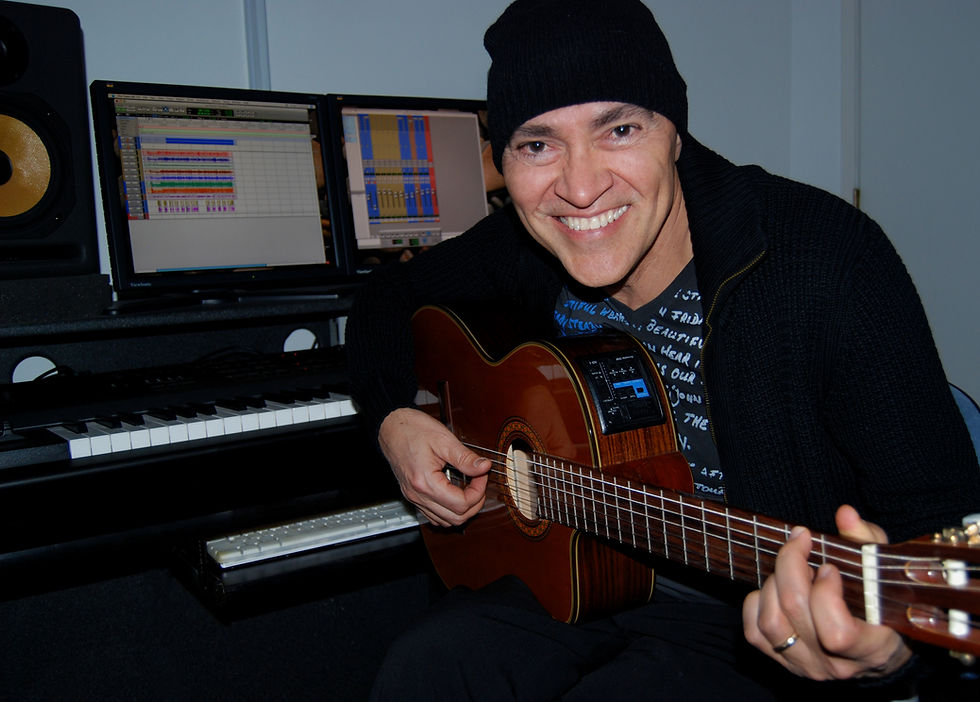
I have spent more than 30 years writing, producing, and licensing Latin music for advertising, television, and film. My work began in the Hispanic advertising world in the U.S. and later expanded into catalog licensing through Latin Music Specialists and LMS Records. I believe there is a growing need for more education around how Latin songwriters can build careers in sync, and I am excited to contribute practical, real-world insights.


Comments